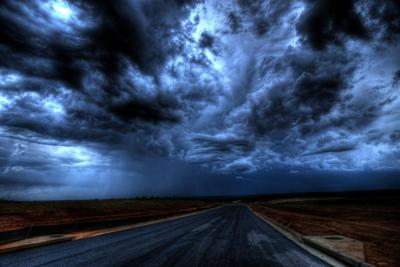


Cedar Valley weather may be pleasant much of the year, but a spring storm could easily change things. A simple response plan could serve to address this source of stress proactively; considering how to source alerts, where to go, and what to bring along might make all the difference. When there’s finally time to take a break, one can enjoy a game activity like a sweepstakes casino online.
Choosing an Effective Alert for Spring Weather
From the weather app on one’s phone to the local news, a watch warning advisory is often in place to keep communities informed. Despite this, many are not certain of the meaning behind these alerts, and how great any associated risk could be. The National Weather Service uses a three-tier system to create clarity, with a warning being the most hazardous of the three:
People are also reading…
- Watch: A watch is given when the risk of a weather event has increased, but its timing is unknown. Watches provide time for individuals to set plans in motion for potentially hazardous weather, even if it is unlikely.
- Advisory: An advisory is issued when a weather event is likely, imminent, or occurring. Not as serious as warnings, one should still take caution and understand that there may be a threat to life or property.
- Warning: Issued under the same conditions as an advisory, a warning indicates that weather conditions do pose a serious threat. Those in the path of a storm or other weather event must take action to protect themselves.
Rather than relying on one type or source of alert, it is important to consider the benefits of a layered setup. Phone notifications are perhaps the most convenient, but it is possible for signals to give out during a watch, advisory, or warning. Local TV and radio may offer greater consistency, whereas a weather radio is likely to provide the best outcomes for overnight or spotty coverage.
Before any alerts are given, one should take a moment to ensure that their devices are set up for the best results. Be sure to enable emergency alerts, set location preferences to one’s current location, and choose a primary source for new updates. During a weather event, it may be essential to trust the received reports.
Finding the Safest Place in a Home
Depending on the circumstances of a weather event, it may not always be safe or reasonable to seek a dedicated shelter. For this reason, it is important to identify the safest place in one’s own home or building to remain prepared should the circumstances arise. It should be noted that those living in mobile homes should make a greater attempt to seek sturdier shelter, if possible.
For single-family homes, the basement is likely to be the safest place. If a home lacks a basement or it is otherwise unsafe or inaccessible, one should turn to the most interior room. In either scenario, it may be essential to avoid windows, garages, and large-span roofs, which may be more likely to collapse or create dangerous debris. For apartments and dorms, find the lowest-level interior option that avoids the same areas; most likely, one has already been designated.
Communication Plans, Practical Preparation, and Vehicle Safety
In addition to determining the safest shelter, families and individuals may wish to prepare in other ways. Implementing an “if separated” protocol, including at least one out-of-area contact, potential meeting points, and a text-first approach, may be valuable. Similarly, putting together a “go-bag” with medication, chargers, flashlights, a first-aid kit, key documents, and other essentials, could be lifesaving.
Of course, it is possible for a weather alert to occur while driving. Certain weather events may be a good reason to find an exit and take shelter nearby; regardless, one should know when and how to pull over safely. When faced with heavy rain or hail, calmly pulling over could be the best decision. In these scenarios, keeping a car kit with water, a blanket, chargers, and traction basics could prove invaluable.
Avoiding Common Hazards After the Storm
In the wake of serious weather events, it is possible that power lines may go down, roads may be blocked, or a variety of other hazards might need to be dealt with. One should consider whether refrigerated food is still safe to eat, avoid travel until roadways are clear, and generally practice safety. During this time, it may be valuable to document any damages for potential insurance claims.
Preparing With Confidence
Weather can be a real challenge, no matter the season. However, proper measures of preparation can maximize personal safety. Building a plan based on one’s understanding of weather alerts can make all the difference when a storm rolls in; such a plan should be easy to follow but provide the essentials needed to make it through.