


Serious illness rarely follows a straight line. Some patients need help managing pain while still pursuing treatment. Others are caring for a spouse with dementia and don't know where to turn. Some are grieving a loss that happened months ago and still can't find solid ground.
Cedar Valley Hospice built its services around that reality. Rather than offering a single program and asking patients to fit into it, the organization offers five distinct services, each designed for a different point in a family's experience with illness, caregiving or loss.
Care That Starts Before Hospice
Not every patient is ready for hospice, and not every patient qualifies. That's where palliative care comes in. Designed for people living with a serious illness who aren't yet eligible for or interested in hospice, the program pairs a nurse and social worker with the patient to manage symptoms and help navigate a health care system that can feel impossible to figure out alone.
For families dealing with dementia specifically, Cedar Valley Hospice runs a separate program called GUIDE Dementia Care. It provides education, support and respite care for patients and caregivers who qualify, often well before hospice becomes part of the conversation. Caregiving for someone with dementia carries its own set of challenges, and the program treats that as a distinct need rather than folding it into general services.
Hospice Care, Wherever Home Is
When a patient's prognosis is six months or less, Cedar Valley Hospice's core hospice program sends a personalized team into the home or a care facility for regular visits. The organization reports that 96% of its patients receive services in their own homes or a resident facility, meaning most families never have to leave the environment that feels familiar.
For situations that need more intensive short-term care, the Hospice Home offers inpatient stays and respite care. It's built as an alternative to a hospital stay, with a setting designed to feel like home rather than a clinical space, and it gives families room to visit without the constraints of a hospital ward.
Support That Doesn't End With a Death
Cedar Valley Hospice offers grief services to the families it serves but also to anyone in the community grieving the death of a loved one or friend, at no cost. That includes counseling and support groups for adults, plus a youth program built specifically for kids processing loss.
The organization also runs CASS, a case management and benefit coordination service for people living with HIV. It's free and confidential and seeks to remove barriers to enable clients to be an active partner in managing their healthcare and improve their quality of life.
Five Doors Into the Same Mission
What ties these programs together is the idea that "hospice" doesn't describe one moment in time. A family might start with palliative care, transition to hospice months later, then find their way to grief support after a death. Cedar Valley Hospice designed its services so that families don't have to find a new organization at each stage. The expertise and the relationships carry forward.
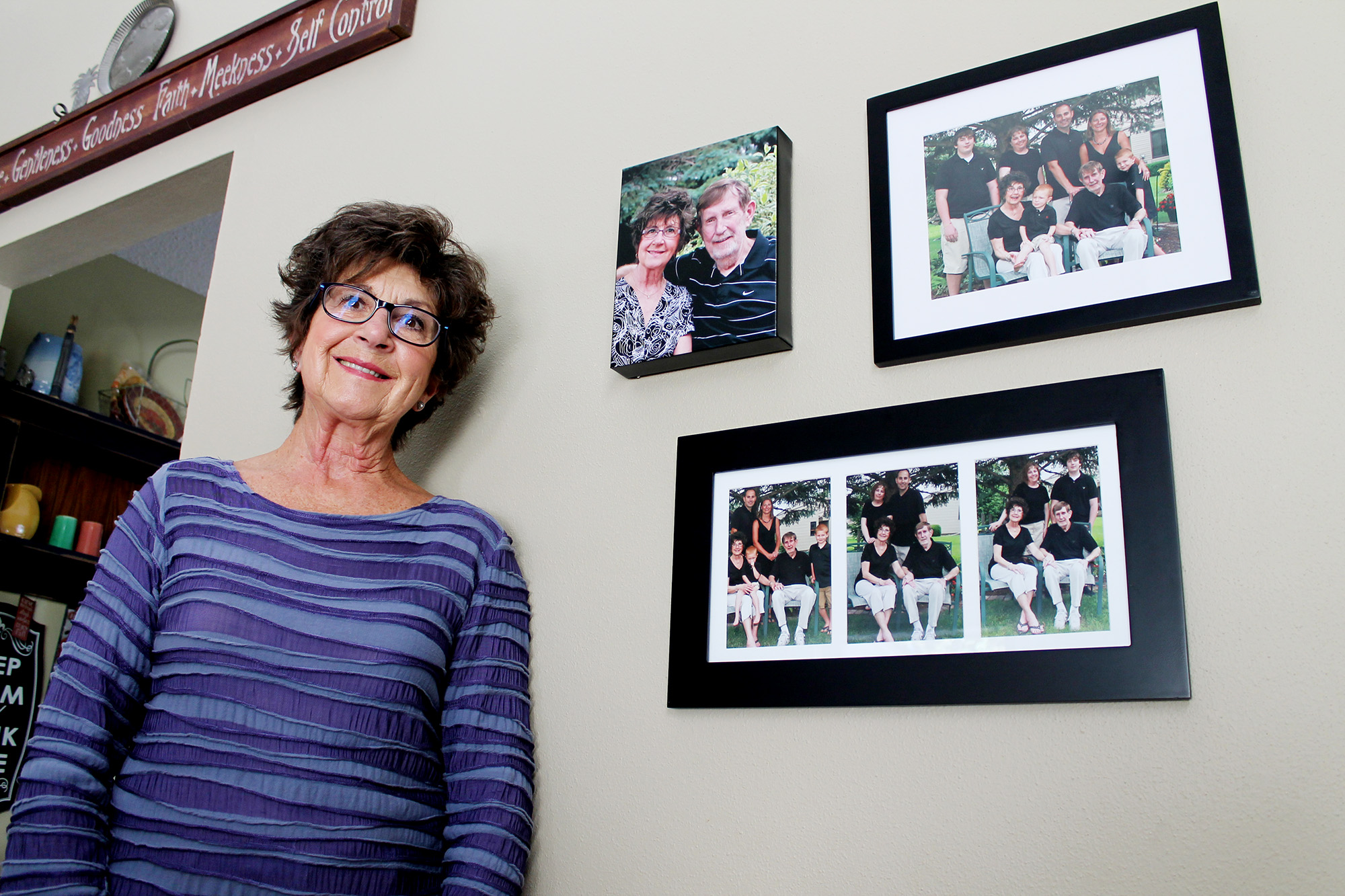
Marie Easter, whose family used Cedar Valley Hospice's services, put it this way: "I wanted the best for my family, and they offered it. They educated us and made the process not so overwhelming. I felt like it wasn't a job for them – it was a personal relationship."
That sense of continuity matters most when families are least equipped to start over with someone new. Serving the Cedar Valley since 1979, Cedar Valley Hospice has built a structure that meets people at whichever entry point fits their situation, whether that's a dementia diagnosis, a serious illness or a grief that hasn't lifted.
Getting Started
Families don't need a hospice referral to call. Anyone can reach out to ask which program fits, or to refer a friend or family member who might benefit. Cedar Valley Hospice can be reached at 800-626-2360, or through the referral form at cvhospice.org. The sooner a family calls, the more options and better quality of life they typically have.
Lee Enterprises newsrooms were not involved in the creation of this content.


